November 19, 2026
Choosing the right roofing material for your Texas home often comes down to comparing asphalt shingles and metal roofing. Both options bring distinct advantages to the table, and your ideal pick depends heavily on how well the material handles the extreme weather patterns across the Lone Star State. Texas demands durable, weather-resistant, and energy-efficient protection, so consulting a knowledgeable local roofer can help you weigh the functional and financial trade-offs before investing. By examining how these two materials perform under intense heat, severe storms, and long-term wear, you can make a confident decision that protects your property for decades.
Evaluate How Each Material Handles the Texas Climate
The Texas climate is notorious for brutal temperature extremes, with scorching summer heat regularly exceeding one hundred degrees in many regions. Prolonged exposure to this heat causes traditional asphalt shingles to soften, warp, and shed protective granules, which accelerates aging and leads to leaks. Metal roofing maintains its structural integrity under intense sun exposure, resisting thermal degradation even during peak summer heatwaves. In addition to heat, Texas experiences dramatic precipitation shifts ranging from sudden torrential downpours to extended droughts. While asphalt shingles shed water adequately when new, moisture can eventually seep beneath aging tabs and trigger rot or mold growth, whereas metal panels feature slick, interlocking surfaces that shed heavy rain rapidly.
Severe weather events like hurricanes, tornadoes, and large hailstorms also test the limits of residential roofs across coastal and central Texas. High winds frequently lift, curl, or tear off asphalt shingles, leaving the underlying roof deck vulnerable to water intrusion. Engineered metal roofing systems withstand wind speeds up to one hundred forty miles per hour and dissipate the impact of hailstones far better than composition shingles. Constant ultraviolet radiation further degrades asphalt by making it brittle and faded, while reflective metal finishes bounce solar rays away to preserve both color and strength. Because Texas spans arid deserts, humid coastlines, and stormy plains, a seasoned local roofer will often point out that metal adapts seamlessly to regional stressors like coastal salt spray where asphalt falters.
Compare Long-Term Durability and Maintenance Needs
Durability directly impacts how often you must repair or replace your roof over the lifetime of your home. Asphalt shingle roofs generally deliver fifteen to thirty years of reliable service, making them a familiar baseline for residential construction. According to This Old House, homeowners can expect metal roofing to endure for as long as seven decades, dramatically reducing the frequency of full roof replacements. This remarkable service life means a single metal installation can outlast two or even three asphalt roofs, sparing property owners from repeated construction disruptions. When extreme summer heat and seasonal hailstorms batter your neighborhood, metal panels resist cracking and puncturing that would otherwise force immediate shingle patches.
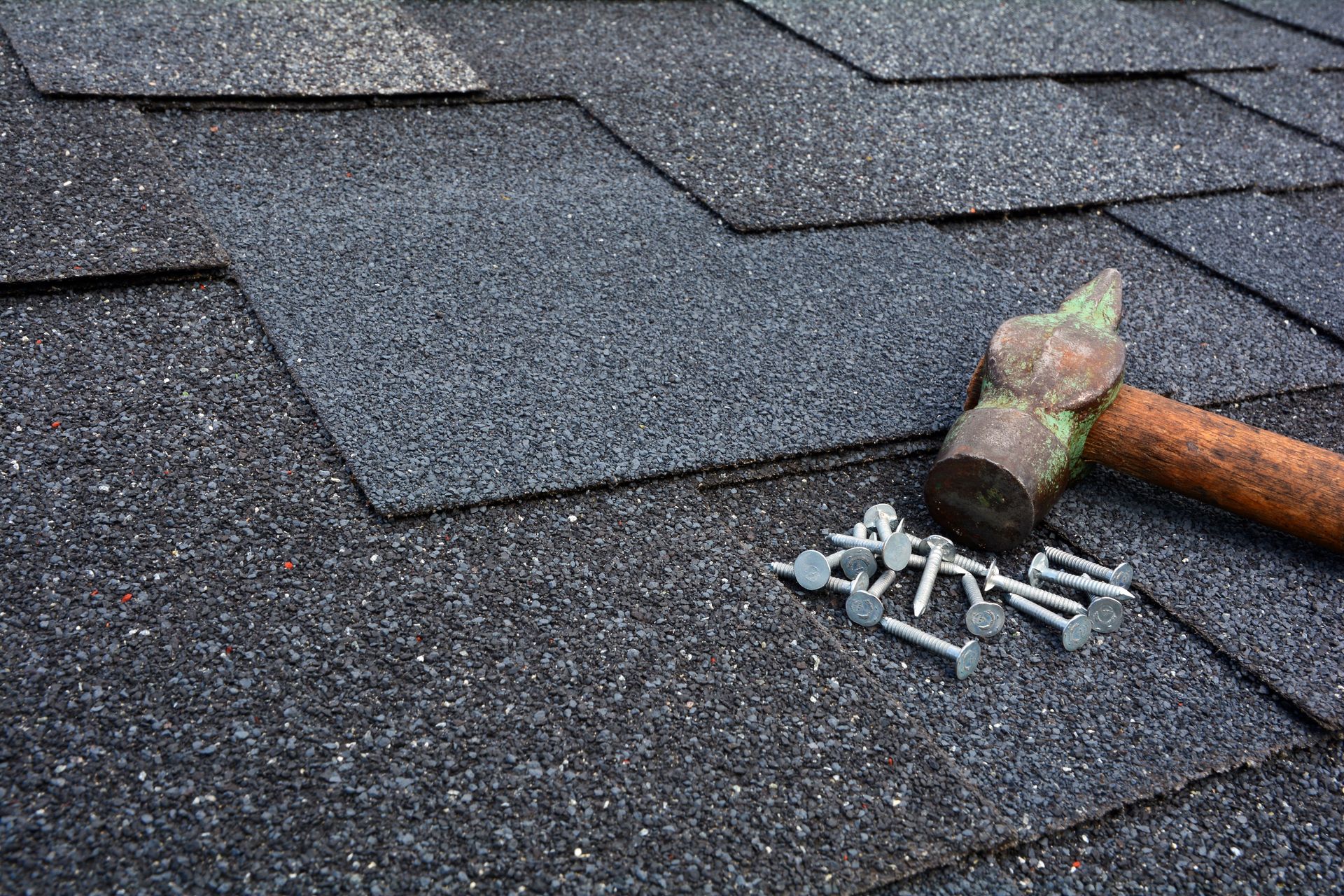
Maintenance routines also differ significantly between these two popular roofing systems. Asphalt shingles demand regular visual inspections and debris removal to prevent trapped moisture, moss growth, and premature granule loss. High winds or falling branches frequently require a local roofer to replace individual blown-off shingles before small gaps turn into costly interior leaks. Metal roofs require minimal upkeep beyond occasional rinsing and basic flashing checks, freeing busy homeowners from constant seasonal repairs. Investing in low-maintenance materials allows Texans to spend less time worrying about storm aftermath and more time enjoying a secure, worry-free home environment.
Maximize Energy Efficiency and Indoor Comfort
Energy efficiency is a major priority in Texas, where air conditioning systems work overtime for much of the year. Roof reflectivity plays a decisive role in how much solar heat enters your living space during blazing summer afternoons. Darker asphalt shingles absorb significant amounts of solar radiation, transferring heat downward into the attic and forcing cooling systems to run longer. Metal roofing reflects a high percentage of incoming solar energy, keeping roof surface temperatures noticeably lower and reducing heat transfer into the home. Proper attic ventilation works alongside both materials to exhaust trapped warm air, though metal systems pair exceptionally well with rigid insulation boards and ventilated air gaps for superior thermal control.
These thermal advantages translate directly into measurable utility savings for Texas households. Reflective metal roofs can reduce summer cooling expenses by ten to twenty-five percent compared to traditional heat-absorbing shingles. While asphalt shingles cost less to install initially, higher monthly electricity bills gradually erode those upfront savings over several hot summers. Asking a trusted local roofer about cool-roof coatings and ventilation upgrades can help you optimize energy performance regardless of which material you select. Lowering your home's cooling demand not only relieves pressure on your household budget but also extends the lifespan of your heating and cooling equipment.
Weigh Upfront Costs Against Lifetime Value
Budgeting for a new roof requires balancing immediate installation expenses against long-term return on investment. Asphalt shingles remain the most budget-friendly option upfront because materials are widely available and installation requires less specialized labor. However, recurring repair bills, storm damage deductibles, and earlier replacement cycles increase the total cost of ownership over thirty or forty years. Metal roofing commands a higher initial investment due to specialized panel fabrication and precision installation techniques, yet its multi-decade durability delivers substantial financial returns over time.
Insurance premiums and property resale values also factor into the broader financial equation for Texas homeowners. Many insurance carriers offer noticeable policy discounts for impact-resistant metal roofs because they drastically reduce the likelihood of hail and wind claims. Furthermore, prospective homebuyers recognize the value of a long-lasting, energy-efficient roof, allowing metal installations to boost resale appeal and overall market valuation. Consulting a reputable local roofer ensures you receive accurate, side-by-side estimates that account for material grades, labor warranties, and potential insurance incentives. Evaluating both immediate affordability and decades of avoided replacement costs clarifies which option aligns best with your financial plans.
Match Architectural Style and Sustainability Goals
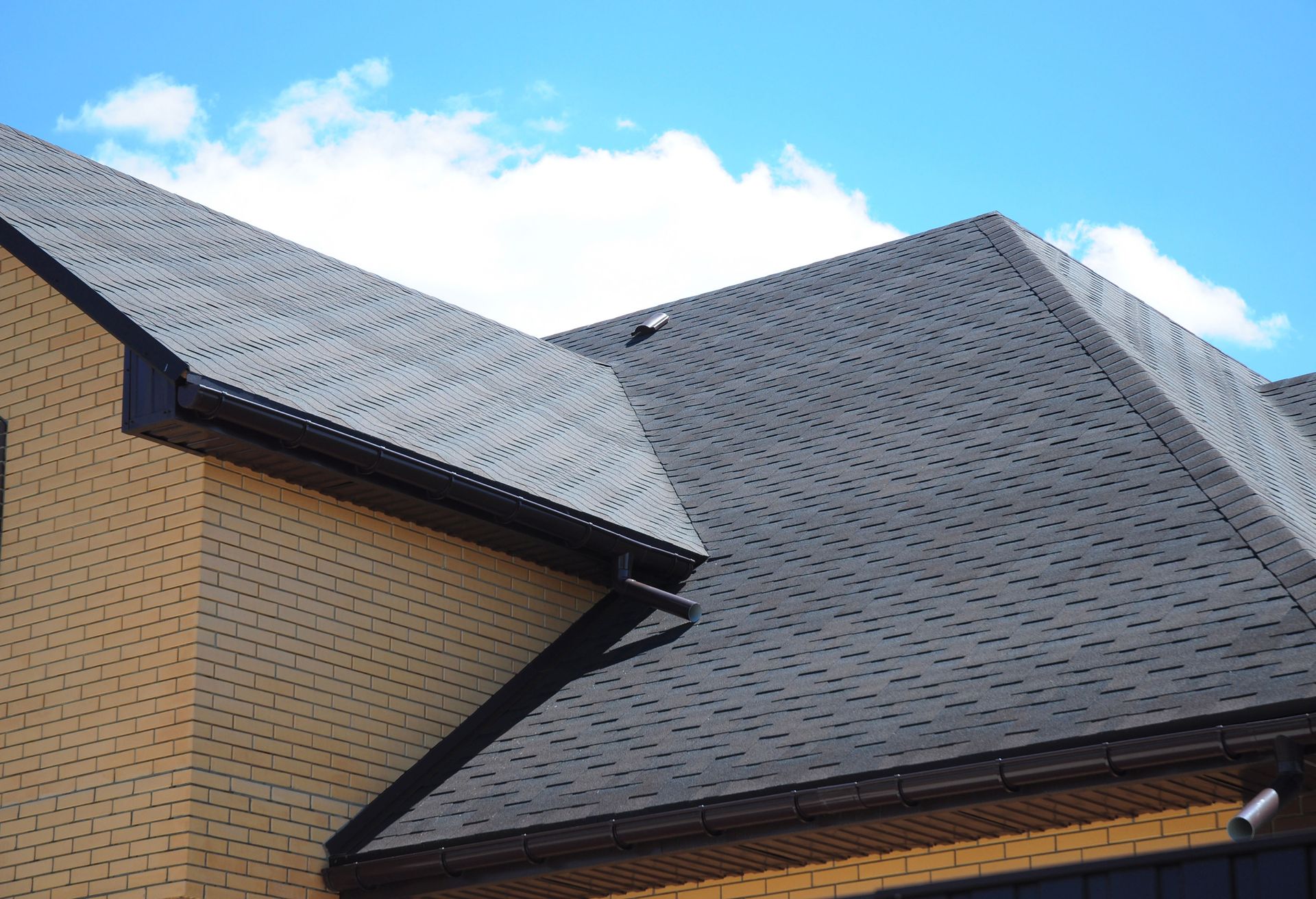
A new roof defines a large portion of your home's exterior appearance, making aesthetic versatility an important part of the selection process. Asphalt shingles come in an extensive range of textures and earthy tones that complement traditional ranch homes, Craftsman bungalows, and classic suburban architecture. Modern metal roofing has moved far beyond basic agricultural panels, offering standing seam profiles, metal tiles, and painted finishes that suit contemporary designs, historic farmhouses, and rustic Hill Country estates. Because metal panels can be custom-formed on-site to fit complex rooflines, homeowners gain creative freedom without sacrificing weather protection. Working with an experienced local roofer helps you review physical color samples against your brick, stone, or siding in natural Texas sunlight.
Environmental sustainability is another area where these two roofing materials diverge sharply. Metal roofing frequently incorporates high percentages of recycled steel or aluminum and remains one hundred percent recyclable at the end of its service life, keeping heavy construction debris out of Texas landfills. Conversely, worn-out asphalt shingles contribute millions of tons of petroleum-based waste to landfills every year because recycling facilities remain scarce. Metal roofs also produce cleaner rainwater runoff free from petroleum granules, making them ideal for homeowners interested in rainwater harvesting and protecting local soil.
Ultimately, while asphalt shingles offer an affordable and classic starting point, metal roofing provides superior heat resistance, storm protection, energy savings, and multi-decade durability tailored to the harsh Texas climate. To explore the best roofing options for your specific neighborhood and budget, contact a trusted local roofer who understands regional building codes and weather challenges. Reach out to ABCO Roofing & Construction today to schedule a comprehensive roof inspection and receive a customized quote for your home.