October 22, 2026
Discovering a water leak inside your home can cause immediate anxiety, as water intrusion poses a direct threat to structural integrity, interior finishes, and personal belongings. Whether caused by an aggressive storm, severe ice damming, or unexpected structural wear, a leaking roof demands rapid, methodical action to prevent extensive internal water damage. While major structural restoration requires specialized expertise, taking immediate stabilization steps mitigates property loss and keeps your household safe. Knowing how to contain incoming water, locate the leak source, and protect interior spaces minimizes long-term repair expenses. Contacting professional technicians who provide specialized roofing services ensures that temporary mitigation quickly turns into permanent, long-lasting structural restoration. Exploring essential emergency response procedures equips homeowners to handle sudden roofing breaches calmly and effectively.
Containing Interior Water Intrusion to Prevent Surface Damage
When water begins dripping from a ceiling or running down interior walls, your top priority must be containing the liquid before it ruins flooring, drywalls, or furnishings. Immediately position large buckets, plastic totes, or deep pots beneath active drips to catch incoming water. If water causes drywall or ceiling paint to bubble downward into a heavy pouch, carefully puncture the center of the bulge using a small screwdriver or nail. Relieving this accumulated water weight allows water to drain directly into your bucket rather than spreading horizontally, preventing catastrophic ceiling collapse. Moving furniture, electronics, and valuable personal belongings away from the affected room prevents irreversible water damage. Laying heavy towels or tarps around surrounding floor spaces absorbs secondary splashing, preserving hardwood and carpeted areas.
Prioritizing Safety and Identifying Potential Structural Hazards
Water leaks create immediate safety risks, making it crucial to evaluate environmental hazards before attempting secondary containment steps. Water pooling near electrical fixtures, light switches, or wall outlets creates severe electrical shock risks. If water approaches electrical infrastructure, immediately shut off power to the affected room at your main breaker box. Avoid walking across saturated ceilings or stepping onto attic floors above damaged zones, as weakened drywall can collapse unexpectedly under physical weight. Climbing onto a slick, wet roof during an active rainstorm or severe weather event presents extreme fall hazards and should strictly be avoided. Prioritizing personal safety preserves physical well-being while you wait for certified technicians equipped with professional safety harnesses and emergency gear.
Locating the Leak Source Within the Attic Space
Tracing the origin of a roof leak can be challenging, as water rarely enters the living space directly below the exterior roof breach. Water typically enters through damaged outer shingles, flows along roof rafters, and travels down internal insulation before dripping onto ceiling drywall. If accessing your attic space is safe, inspect the underside of the roof decking using a bright flashlight during active rainfall. Look for damp wooden rafters, discolored insulation, or reflective water trails moving along structural timber. Marking the damp area on attic rafters with dark marker chalk provides vital diagnostic clues for repair crews later. Sharing these structural observations with teams delivering professional roofing services accelerates diagnostic efforts and ensures rapid repair execution.
Applying Temporary Tarps and Emergency Leak Containment
When weather conditions clear enough to permit safe exterior access, applying a temporary tarp over damaged roof sections stops active water intrusion until permanent repairs begin. Choose a heavy-duty, weather-resistant plastic tarp that extends at least four feet beyond the damaged zone on all sides, stretching it completely over the roof ridge to prevent water from running under the top edge. Secure the edges of the tarp using wooden anchoring boards nailed into the tarp border to prevent high winds from tearing it away. Emergency tarping acts solely as a temporary barrier, holding off environmental moisture until comprehensive restoration can be performed. Scheduling immediate consultations for professional roofing services ensures that temporary tarp installations are quickly replaced with permanent, weather-resistant building materials.
Mitigating Secondary Mold Spores and Internal Environmental Hazards
Trapped moisture inside walls, insulation, and ceiling cavities creates an ideal breeding ground for toxic mold and mildew colonies within twenty-four to forty-eight hours of exposure. Beyond causing visible staining and foul odors, hidden mold growth compromises indoor air quality and triggers respiratory distress in sensitive individuals. Positioning commercial dehumidifiers, industrial air movers, and heavy-duty floor fans throughout the affected area accelerates structural drying and reduces ambient humidity levels. Removing saturated insulation and unsalvageable drywall sheets prevents moisture from spreading deeper into surrounding wall frames. Working alongside qualified providers of professional roofing services guarantees that moisture levels within structural timber are measured accurately before installing new interior finishes, preventing long-term environmental hazards.
Documenting Property Damage for Insurance Claim Filings
Thorough documentation of water damage is essential when filing homeowner insurance claims for emergency roof repairs. Before cleaning up water or moving damaged household items, capture detailed high-resolution photographs and videos of active drips, damaged ceilings, wet walls, and ruined possessions. Documenting external roof conditions, such as missing shingles or fallen tree branches, establishes clear evidence regarding the cause of the leak. The statistical frequency of weather-related roof failures highlights why detailed loss documentation is crucial during insurance reviews. According to RubyHome, approximately 33% of all roof replacements are triggered by storm damage. Presenting structured photo logs and professional diagnostic invoices helps insurance adjusters evaluate your claim accurately, speeding up policy reimbursement for necessary repairs.
Understanding the Role of Professional Inspections and Structural Repairs
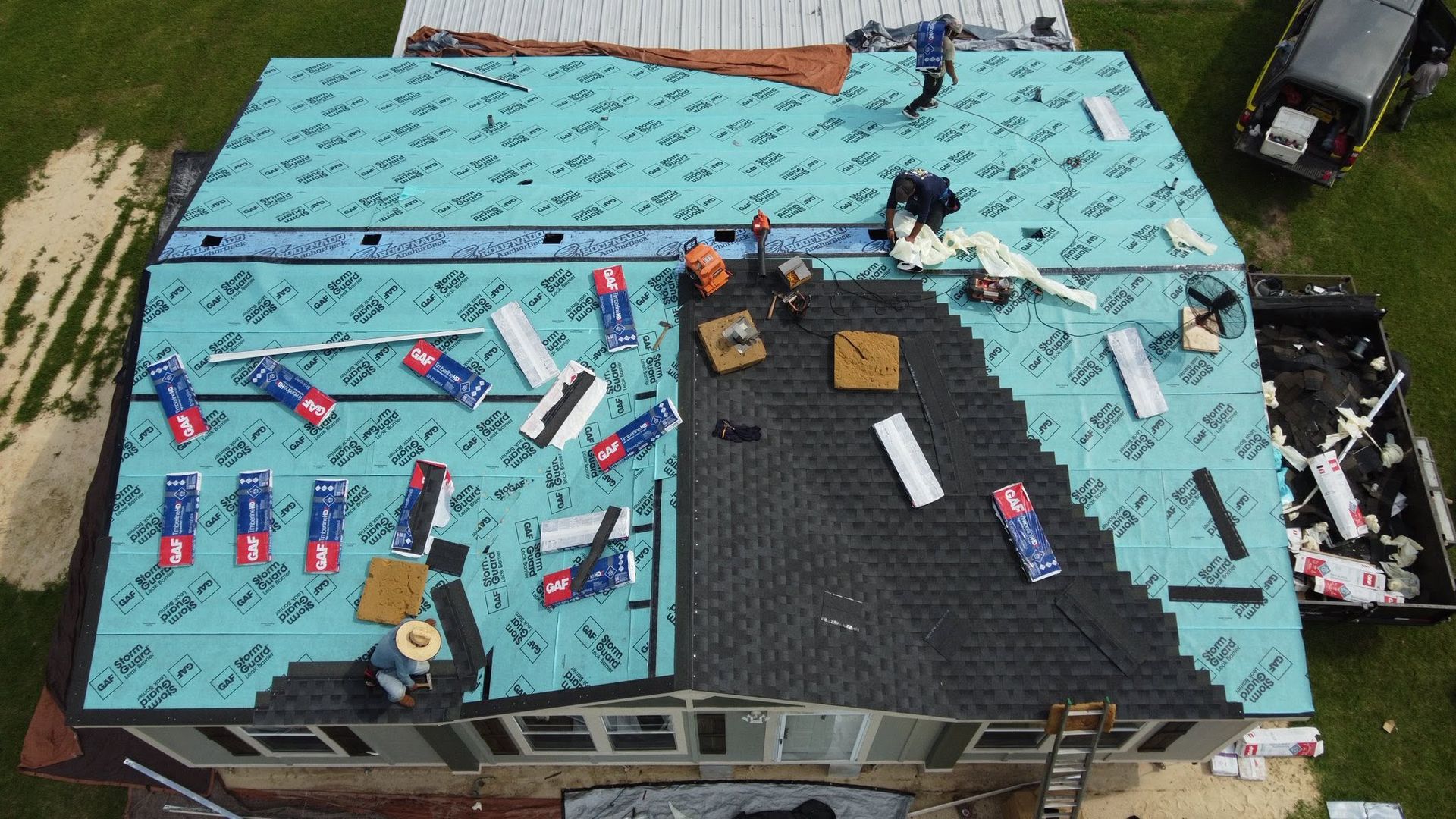
While emergency tarping and water containment protect your home in the immediate aftermath of a breach, long-term structural security requires comprehensive repair by licensed contractors. Professional technicians conduct thorough diagnostic evaluations, looking beyond visible ceiling leaks to check for hidden wood rot, saturated insulation, and compromised roof underlayment. Attempting complex DIY roof repairs often leads to improper sealing, voiding material warranties, and causing recurrent leaks down the road. Contracting licensed teams for professional roofing services ensures that structural repairs adhere strictly to local building codes and manufacturer installation guidelines. Expert repairs resolve underlying structural vulnerabilities, restoring full weather protection and guaranteeing long-term peace of mind for your household.
Establishing Preventive Maintenance Practices to Avoid Future Leaks
Once emergency repairs are complete and your roof is fully restored, adopting a proactive preventive maintenance routine significantly lowers the risk of future water intrusion. Schedule biannual roof inspections every spring and autumn to check for cracked flashings, loose shingles, and deteriorating sealant around plumbing vents and chimneys. Clearing leaves, twigs, and organic debris from gutters and downspouts prevents water backup beneath eave shingles during heavy downpours. Trimming overhanging tree branches keeps falling limbs away from roof surfaces and reduces shade that fosters moss growth. Scheduling ongoing preventive checkups with qualified providers of professional roofing services ensures minor wear is caught early, preserving structural integrity and extending your roof's overall operational lifespan.
Experiencing a sudden roof leak is a stressful event, but taking quick, systematic containment action prevents minor water intrusion from cascading into costly structural damage. Containing dripping water, protecting interior furnishings, avoiding electrical hazards, and documenting damage establish the foundation for a successful recovery effort. Relying on professional contractors guarantees that emergency tarping transitions into durable, high-quality structural repairs that withstand future weather challenges. Proactive preventive maintenance further safeguards your property, protecting your investment against unexpected environmental threats. Establishing a relationship with trusted restoration specialists ensures your home remains secure, dry, and protected through every season. Contact ABCO Roofing & Construction today to schedule your emergency inspection and protect your home with dependable, high-quality roofing solutions!