October 20, 2026
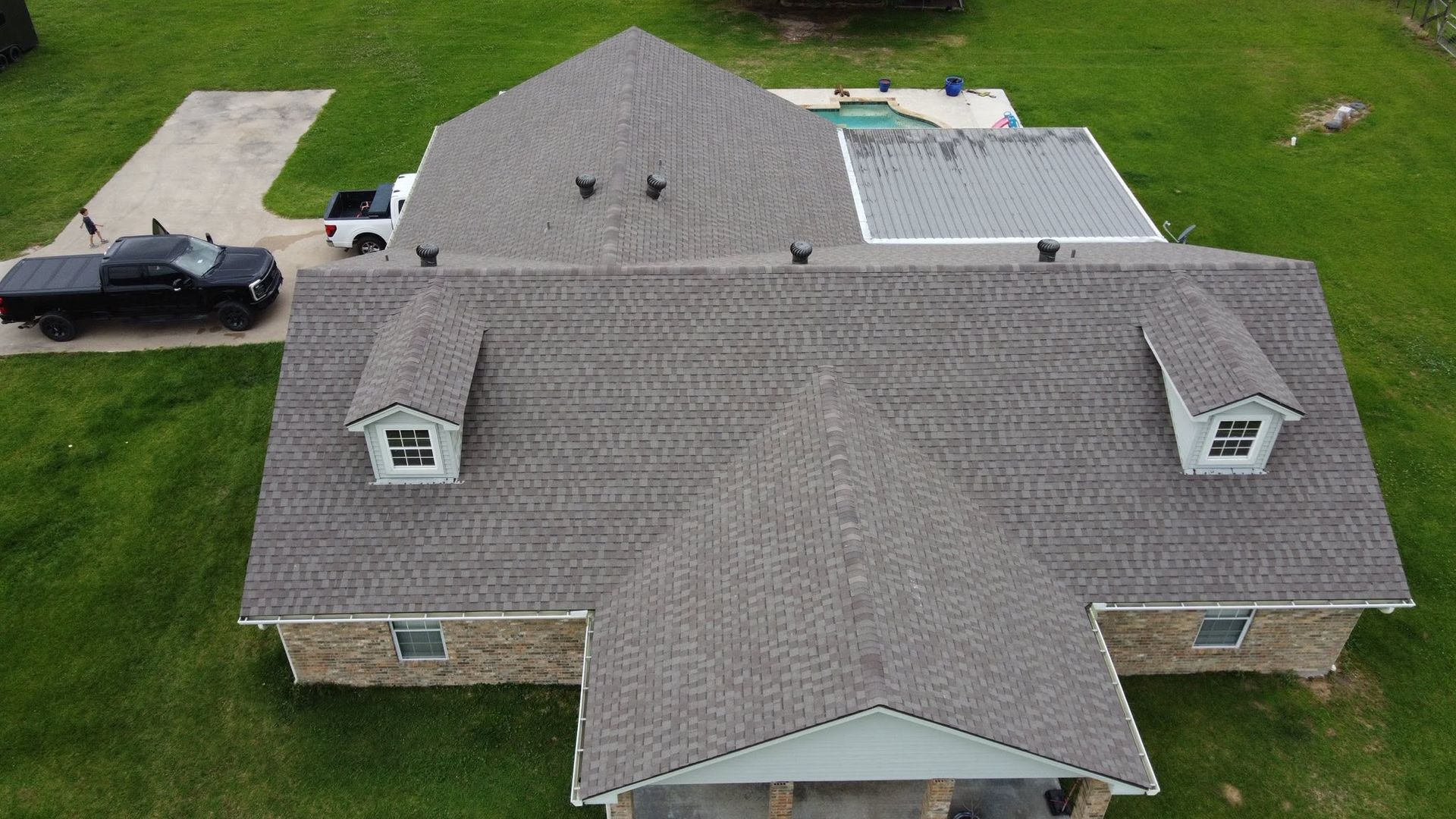
Maintaining a roof is a critical aspect of homeownership that is often overlooked until major problems arise. A professional roofer plays a vital role in not only installing a roofing system but also ensuring its long-term performance through regular maintenance, timely repairs, and expert guidance. Prolonging the lifespan of a roof saves homeowners significant money over time and prevents inconvenient, high-cost emergency replacements.
By investing in routine inspections and targeted upkeep, property owners ensure that minor issues are identified and corrected long before they escalate into structural failures. Ultimately, a well-maintained roofing system adds substantial financial value, enhances curb appeal, and provides a dependable shield against harsh weather elements for decades to come.
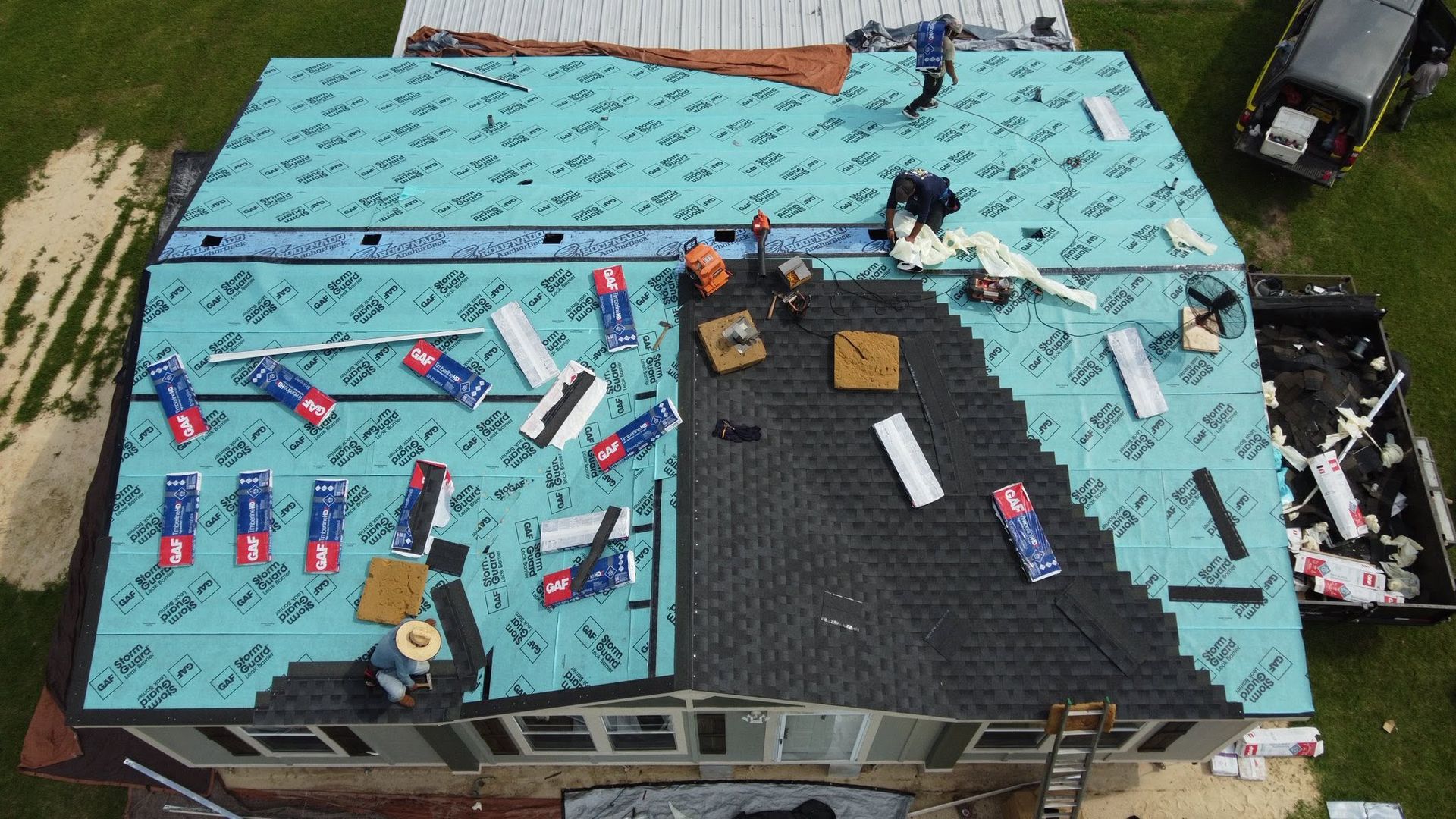
According to the U.S. Bureau of Labor Statistics, roofing requires physical strength, as workers frequently have to carry material bundles weighing 60 pounds or heavier.
Understanding Roof Inspections
Regular evaluations are integral to preserving the structural integrity and overall health of any property. These routine checkups allow for the early detection of minor imperfections that, if left unchecked, could escalate into significant issues requiring expensive structural repairs. An experienced roofer possesses the technical training to spot hidden vulnerabilities that remain completely invisible to the untrained eye.
Engaging in scheduled evaluations helps ensure that every component stays in optimal working condition, effectively extending the total service life of the property. The overall frequency of these evaluations depends heavily on local weather patterns, the age of the structure, and the specific materials involved. Many property owners underestimate the preventive value of routine checkups, often calling for assistance only after water damage or visible structural issues become blatantly obvious.
Scheduled assessments are essential preventive measures that save considerable money while maximizing operational longevity. These evaluations enable early intervention for developing leaks, which can otherwise cause severe interior water damage and costly structural decay. Over time, consistent preventive measures deliver substantial financial savings and valuable peace of mind to property owners.
Identifying Vulnerabilities Before Damage Escalates
A central objective of routine evaluations is the rapid identification of potential vulnerabilities before they compromise the underlying structure. A skilled roofer can easily detect subtle signs of physical wear, surface degradation, or minor misalignments that frequently lead to severe moisture infiltration. Spotting these localized vulnerabilities early prevents complex damage that is exceptionally costly to rectify later.
For instance, a minor unaddressed leak can quickly cause extensive wood rot, insulation damage, and hazardous mold growth inside living areas. Timely problem identification allows property owners to schedule manageable, cost-effective repairs that successfully avert catastrophic structural consequences down the road. Property owners benefit tremendously from the professional insights offered during these comprehensive evaluations.
An expert roofer is not only adept at spotting defectively installed components, but also at identifying specific areas rendered vulnerable by severe local weather patterns. These specialists leverage their extensive field experience to recommend customized preventive solutions tailored directly to the specific property. This proactive management strategy drastically minimizes the likelihood of sudden, budget-breaking repair expenses while preserving property value.
Comparing Professional Assessments to Self-Inspections
While some property owners consider conducting their own evaluations to cut costs, self-inspections rarely uncover subtle underlying structural issues effectively. A professional roofer comes equipped with specialized safety gear, technical knowledge, and advanced diagnostic tools to evaluate the complete system thoroughly. These experts have the practical experience required to identify subtle moisture traps and utilize precise testing techniques.
DIY attempts routinely miss critical defects hidden beneath surface layers, whereas experienced contractors provide a comprehensive evaluation of every underlying component. Furthermore, professional evaluations yield official documentation that proves invaluable during insurance claims and real estate negotiations. Many property owners attempt self-inspections without recognizing the technical complexities involved in evaluating a complete structural system.
Professional evaluations distinguish themselves through systematic methodologies that account for load-bearing stability, proper insulation, and subtle environmental hazards. A non-professional approach lacks the specialized technical know-how needed to diagnose subtle risks or formulate accurate, long-term corrective actions. Hiring experts mitigates personal safety risks while supplying precise recommendations for component replacements and targeted preventive care.
Focusing on High-Risk System Components
System evaluations cover several critical focus areas that require detailed physical analysis to verify long-term performance. Primary surface coverings, such as shingles or tiles, serve as the first line of defense against elemental exposure; inspectors look closely for signs of cupping, cracking, surface erosion, or missing sections. Evaluations focus heavily on metallic flashing installed around chimneys and skylights.
The assessment process also prioritizes proper attic ventilation, which regulates interior temperature extremes and prevents moisture accumulation. Additionally, inspecting drainage components like gutters and downspouts ensures proper water collection, preventing localized pooling and foundational erosion. During detailed evaluations, a roofer focuses immediate attention on all flashing assemblies to ensure they remain sealed.
Flashing is inherently vulnerable to thermal expansion and contraction, which can break critical seals over time and allow water penetration. Comprehensive professional evaluations also place tremendous emphasis on inspecting the hidden structural underlayment. By evaluating these high-risk focal points, an experienced contractor identifies subtle structural vulnerabilities early, implementing precise interventions that safeguard long-term system functionality.
Establishing a Structured Maintenance Schedule
Establishing a regular maintenance calendar is vital for maintaining optimal protection and extending system service life. A knowledgeable roofer generally recommends biannual assessments, typically scheduled during spring and autumn, to prepare for upcoming seasonal extremes. This structured schedule addresses seasonal threats directly, such as heavy snow accumulation during winter or intense solar exposure during summer.
Maintaining a consistent evaluation cycle throughout the year ensures that structural maintenance remains entirely proactive rather than reactive. Relying on expert guidance when setting up these schedules guarantees that localized weather patterns and specific building materials are fully factored into long-term planning. Creating a successful maintenance calendar involves close collaboration between property owners and experienced contractors.
A professional roofer provides tailored advice regarding optimal assessment frequencies based on environmental exposure, tree coverage, and material age. Aging structures naturally require more frequent monitoring to compensate for gradual material degradation and structural shifting. Adhering strictly to an established maintenance calendar guarantees continuous oversight and prompt issue resolution, eliminating surprise repair expenses.
Maintaining Gutters and Water Management Systems
Regular cleaning and maintenance of water drainage systems is a crucial task that must never be neglected. Clogged drainage channels cause severe water backup, forcing trapped moisture directly beneath edge shingles and rotting the wooden eaves. Ensuring that gutters and downspouts remain clear of leaves and debris allows rainwater to flow freely away from the building foundation.
Routine drainage upkeep prevents destructive ice dams, basement flooding, and costly fascia rot, directly preserving the integrity of the primary roof structure. A dedicated roofer strongly recommends scheduling professional gutter maintenance at least twice annually to ensure continuous water discharge. Late spring and late autumn represent the ideal times for this work due to seasonal foliage dropping.
Property owners must recognize that obstructed drainage systems quickly trigger secondary property damage, including ruined siding and severe soil erosion. Cleaning elevated water channels safely requires specialized climbing equipment and proper safety protocols. Hiring seasoned professionals guarantees that water management systems are cleaned thoroughly while maintaining strict safety standards.
Extending the lifespan of your roof requires a proactive approach centered on regular maintenance, timely repairs, and professional expertise. Partnering with a skilled contractor ensures that every component of your roofing system—from shingles and flashing to ventilation and drainage—is carefully monitored and maintained.
To safeguard your investment and keep your property fully protected against the elements, contact the experienced team at ABCO Roofing & Construction today to schedule your comprehensive roof evaluation.