September 22, 2026
In this article, we will delve into the various roofing materials available for residential and commercial buildings. Each material offers distinct benefits, and choosing the right one depends on factors like climate, budget, and aesthetic preferences. Understanding these materials will help you make an informed decision when selecting roofing for your needs. By exploring the unique properties of each type, you can ensure a choice that balances both practicality and personal preference. With a plethora of options available, from traditional to modern, it's crucial to know what works best for your specific requirements.
1. Asphalt Shingles
Durability and Lifespan
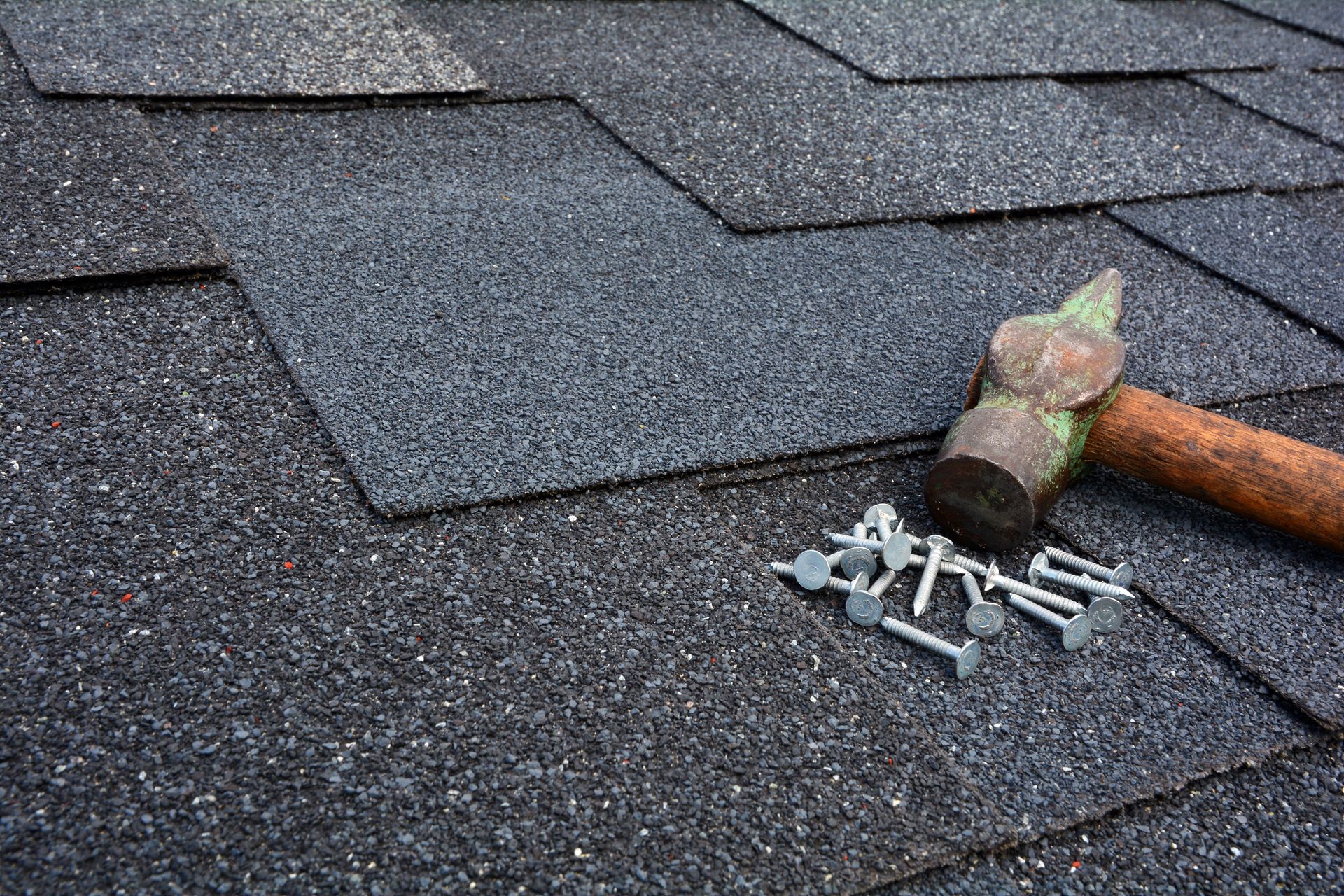
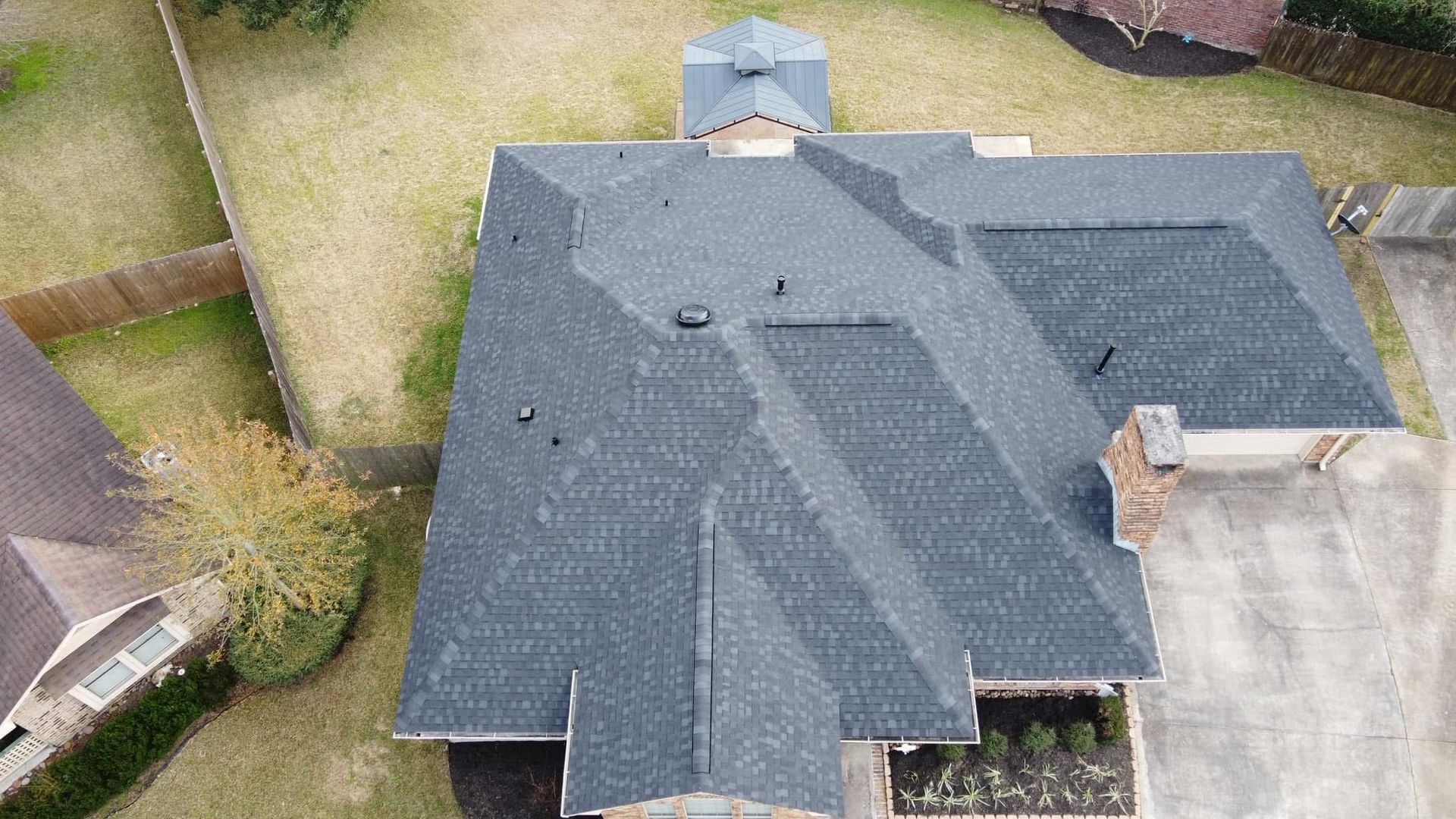
Asphalt shingles are known for their durability and lifespan, typically lasting between 15 to 30 years depending on the quality and installation. They are made from a combination of fiberglass or organic materials saturated with asphalt and topped with granules, providing a robust defense against the elements. Their design helps in water shedding and can withstand varying weather conditions, although extreme climate might reduce their longevity. Regular maintenance can extend their lifespan, ensuring that minor issues like loose shingles are promptly addressed. Overall, asphalt shingles offer a reliable roofing solution for those seeking a balance between durability and cost.
Cost-Effectiveness
One of the main advantages of asphalt shingles is their cost-effectiveness, making them a popular choice for homeowners on a budget. The cost of materials and installation is lower compared to other roofing options, offering substantial savings without compromising on essential features. Moreover, the straightforward installation process reduces labor costs, which can significantly impact the overall expense. According to HomeGuide, depending on the material, size, pitch, and overall complexity, replacing a roof takes anywhere from 1 to 8 days, and asphalt shingles generally fall at the lower end of this spectrum. This quick turnaround is another factor contributing to their widespread appeal.
Variety in Styles and Colors
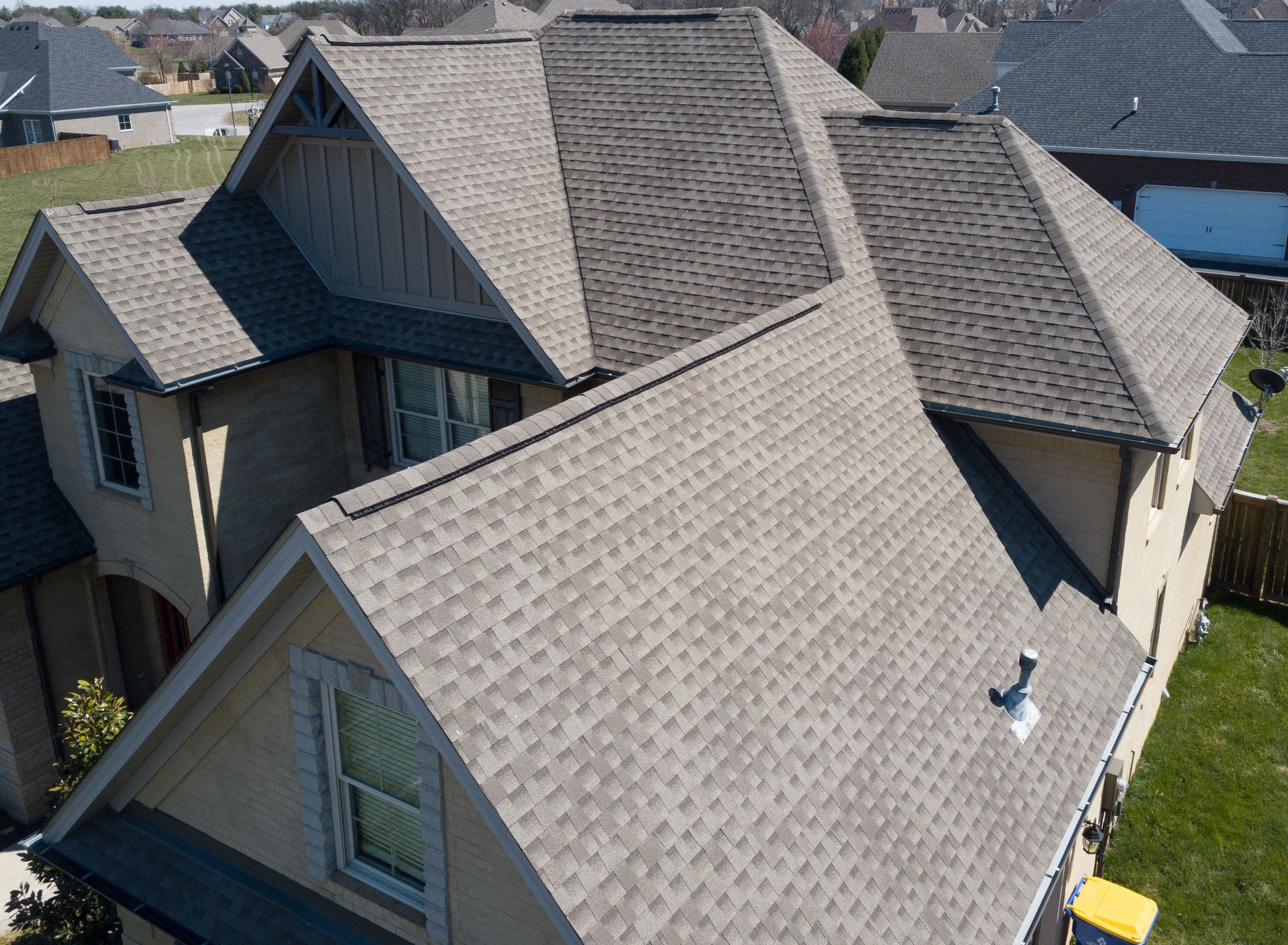
Asphalt shingles come in a wide array of styles and colors, providing an opportunity for homeowners to customize their home's exterior appearance. Whether you prefer the look of traditional three-tab, architectural, or premium shingles, there is an option suited to every aesthetic preference. Color choices range from neutral tones like greys and browns to more bold shades like reds and greens, allowing for seamless integration with existing house colors. The availability of various textures and finishes further enhances the flexibility in design, ensuring a cohesive visual appeal that complements the architectural style of your home. This versatility is one of the key reasons asphalt shingles remain a top choice in the roofing industry.
Installation Process
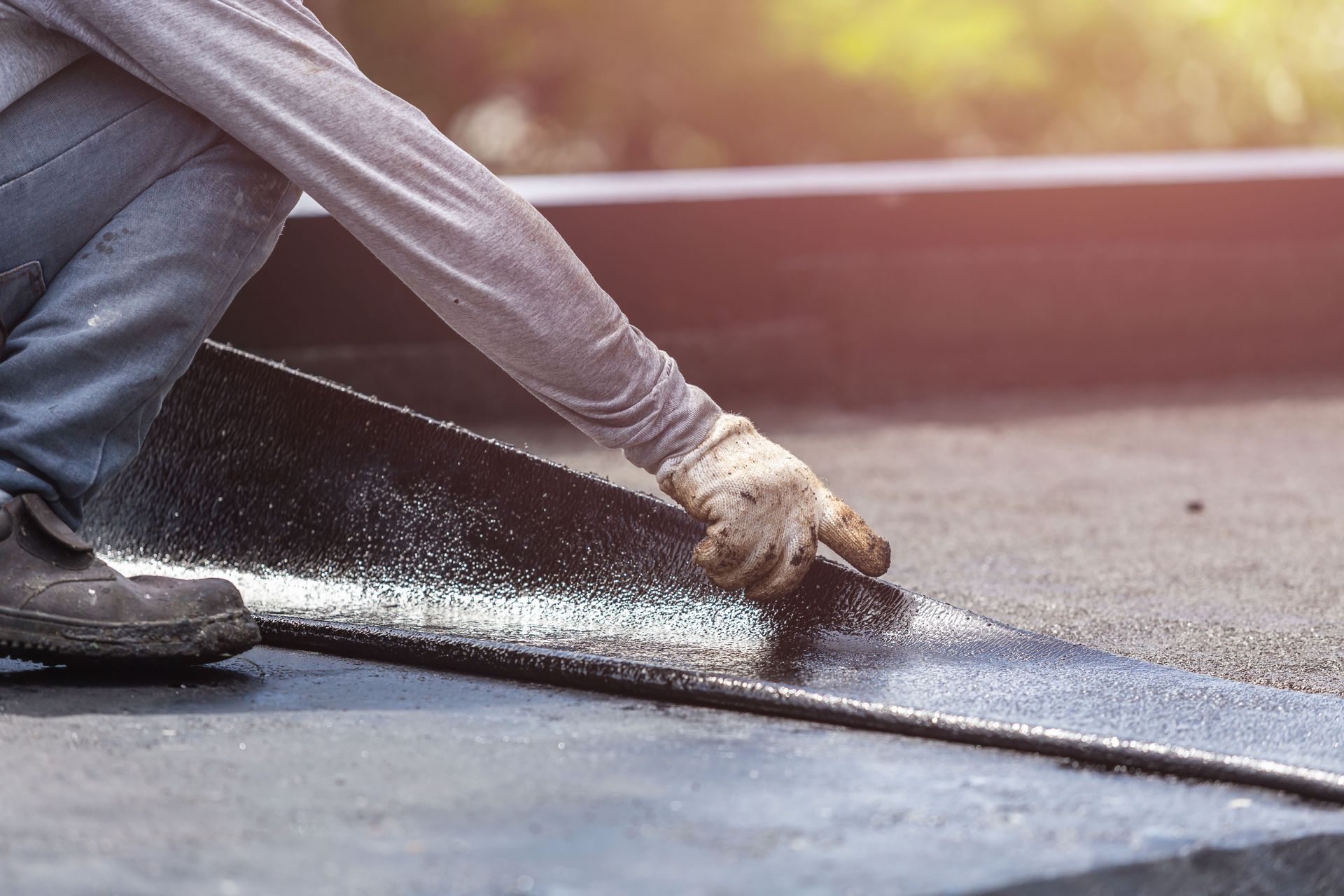
The installation process of asphalt shingles is relatively straightforward and can be completed in a timely manner. Depending on the size and complexity of the roof, professional roofers can finish the installation within one to three days, minimizing downtime for homeowners. The process involves laying down an underlayment, followed by rows of shingles nailed to the roof, ensuring weather-tight coverage. Proper installation is crucial to prevent leaks and maximize the lifespan of the shingles. Engaging experienced professionals ensure that the shingles are installed efficiently while adhering to safety standards and manufacturer guidelines.
Environmental Impact
When it comes to environmental impact, asphalt shingles present both challenges and opportunities. While the materials involved in manufacturing are not considered eco-friendly due to the petroleum-based components, recycling initiatives are increasingly gaining traction. Many manufacturers are implementing programs to recycle old shingles, transforming them into materials for road construction and other uses. This recycling process helps reduce landfill waste and promotes sustainable practices in the roofing industry. Homeowners can also choose shingles with reflective properties to mitigate heat absorption, contributing to greater energy efficiency within the home. This blend of tradition and innovation continues to evolve, aligning with broader environmental efforts.
2. Metal Roofing
Types of Metal Roofing
Metal roofing is available in various types, each with distinct characteristics and advantages. Common options include steel, aluminum, copper, and zinc, with each type offering unique benefits tailored to different needs and preferences. Steel is often praised for its strength and cost-effectiveness, while aluminum is prized for its lightweight nature and corrosion resistance, making it ideal for coastal areas. Copper and zinc are more premium options, celebrated for their longevity and distinctive appearance that develops a patina over time. Understanding these differences helps homeowners select a metal roof that aligns with their budget and aesthetic aspirations.
Benefits of Metal Roofs
Metal roofs offer a range of benefits that make them attractive to both residential and commercial property owners. Their durability is unparalleled, with a lifespan that can exceed 50 years, reducing the need for frequent replacements and repairs. In addition, metal roofs are highly resistant to extreme weather conditions such as strong winds, heavy snowfall, and even hail, providing peace of mind in areas prone to severe weather events. The reflective nature of metal surfaces helps improve energy efficiency by deflecting solar heat, consequently lowering cooling costs. Moreover, metal roofing is largely made from recycled materials and is fully recyclable at the end of its lifespan, making it an environmentally responsible choice.
Lifespan and Warranty
The lifespan of metal roofing is one of its most compelling features, with the ability to last several decades with minimal maintenance. Warranties can range from 30 to 50 years or even longer, providing substantial protection against defects and potential issues. This long-term durability is not only financially beneficial but also contributes to reduced environmental impact through decreased material consumption. The longevity of metal roofing is further supported by its resistance to common issues like rot, insect infestation, and fire, ensuring that the roof maintains its integrity over time. For those seeking a long-term investment, metal roofing represents a wise and reliable choice.
Energy Efficiency
Metal roofing is a frontrunner in terms of energy efficiency, contributing significantly to reducing household energy consumption. Its reflective surface deflects a substantial amount of solar radiation, keeping interiors cooler during hot months. By minimizing the need for air conditioning, metal roofs can substantially cut energy bills, offering long-term savings to homeowners. Furthermore, cool metal roofing coatings enhance this effect, reflecting infrared radiation and increasing emissivity. This passive cooling system ensures that homes remain comfortable while reducing environmental impact, aligning with sustainable living practices.
3. Wood Shingles and Shakes
Aesthetic Appeal
Wood shingles and shakes are renowned for their aesthetic appeal, providing a natural and rustic look that enhances a home's architectural character. The warm hues and textures organically blend into surroundings, particularly complementing traditional and historic designs. Available in a range of species such as cedar or pine, each wood type provides distinct color variations and textures, further enhancing customization options. Additionally, as wood ages, it develops a beautiful patina that increases the aesthetic charm over time. This rustic elegance is particularly prized in rural settings and for homes aiming for a traditional or eco-friendly appearance.
A vital aspect of wood shingles and shakes is their maintenance requirement, which is more intensive than other roofing materials. Regular treatments for resistance against rot, insects, and UV damage are essential to prolong the life of the roof. Cleaning to remove debris and ensure proper water drainage is critical in maintaining the roof's condition and preventing issues like mold and mildew. Periodic inspections can identify early signs of wear and necessary repairs, ensuring minor issues do not escalate into costly damage. Diligent maintenance ultimately safeguards the investment in wood roofing, preserving its beauty and functionality over time. Be sure to reach out to ABCO Roofing & Construction for more information on our professional roofers!